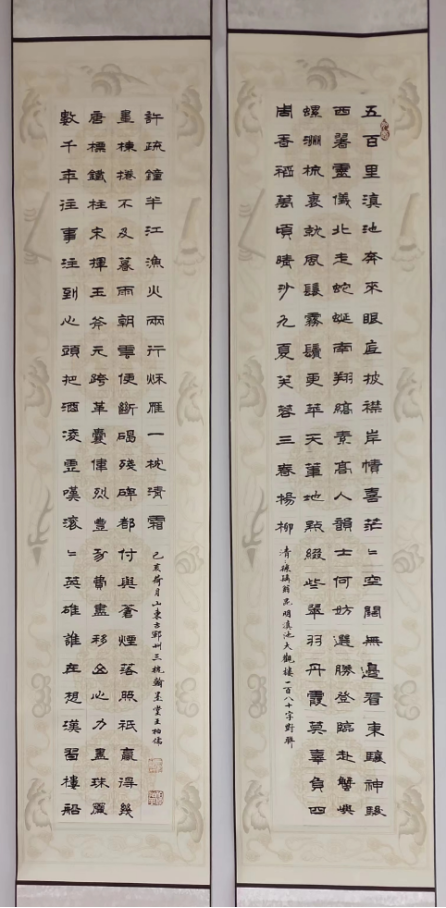
2024年中欧书画名家国际艺术线上交流展——王柏儒
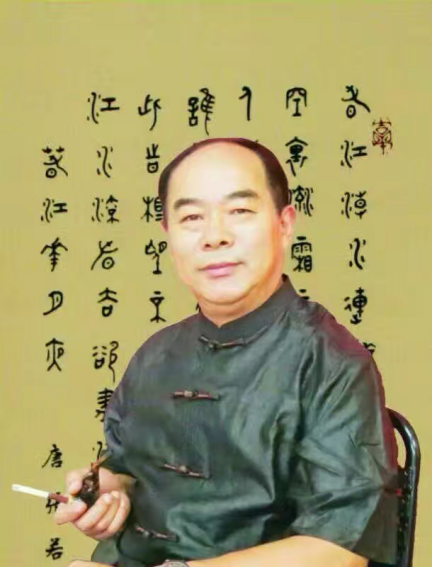
王柏儒,(身份证名:王庆民)“三槐翰墨堂”主人,1957年8月出生于山东水浒故里郓城,现为“中国王羲之研究院”副院长,“中国书法家协会”会员,中国艺术家职称“国家一级美术师”“牛津艺术学院研究生导师”“中国书画家协会”理事,“国家特级书法师”,“山东省书法家协会”会员,“北京华夏京都书画艺术研究院”客座教授,“中原书画院”客座教授。
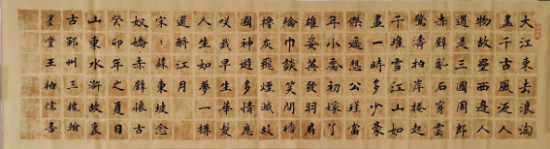
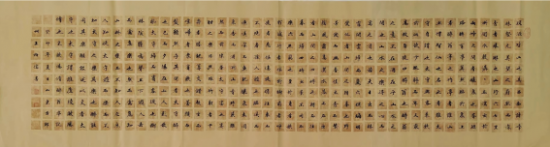
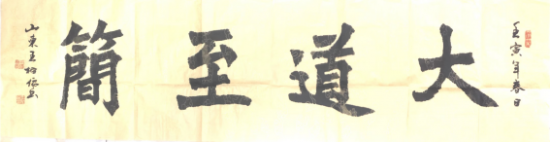
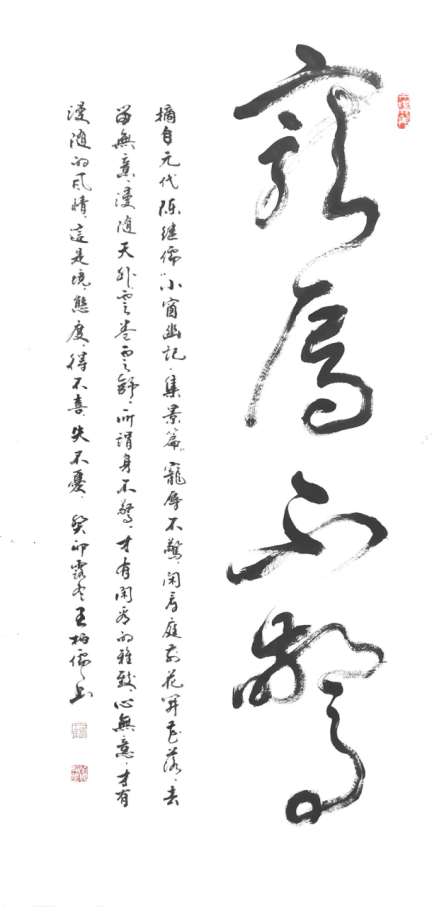
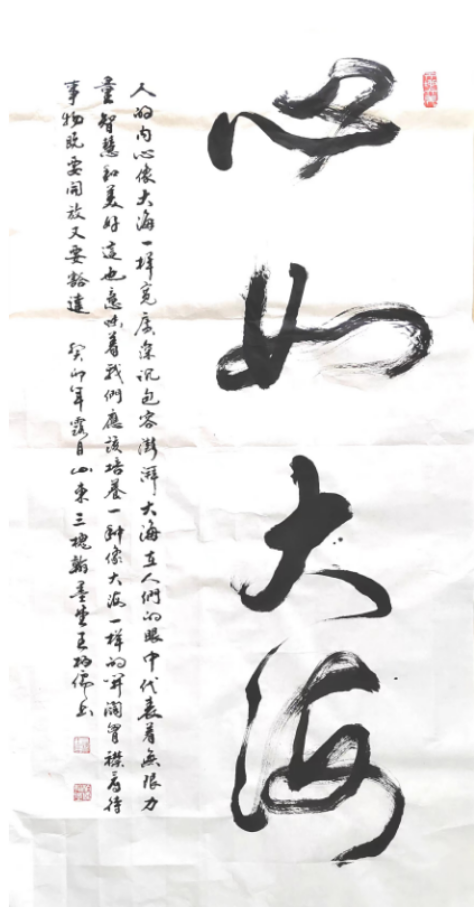
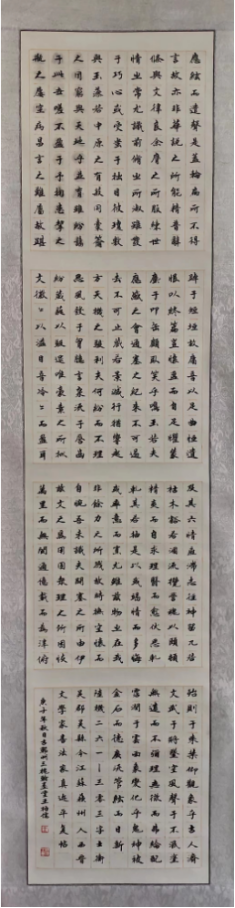
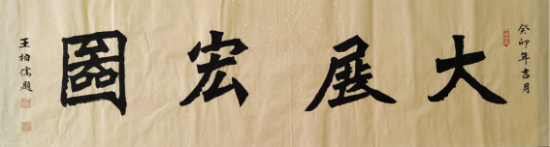
出生于书香世家的王柏儒先生,是晋代书圣王羲之的后裔。具有书法天赋,自幼酷爱书法,坚持近六十年,继承传统,勇于创新。在书法方面:拜书法导师王长水先生为师,并受益于中国书法名家沈鹏、欧阳中石、刘艺、书法老师的指导。取法于古代碑帖之精华,精通书法各体。楷书:具有魏碑,颜体的高古淳朴,雅而不俗,迅猛张开、超妙入神。
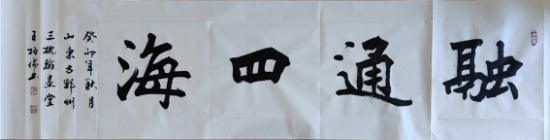
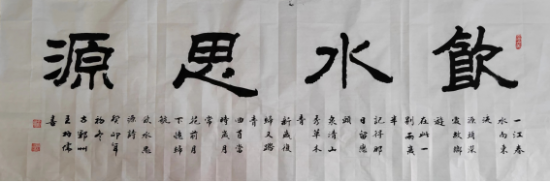
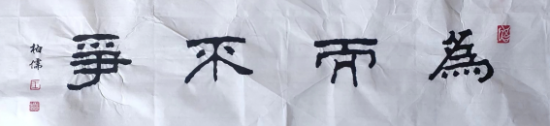
隶书:飘逸奔放,法度森严,端庄典雅、遒劲古朴,凝重浑厚,篆籀古意,神采飞动,婀娜多姿,美观庄重,折射出汉隶《曹全》、《石门颂》、《乙瑛碑》、《史晨碑》等碑的遗风。
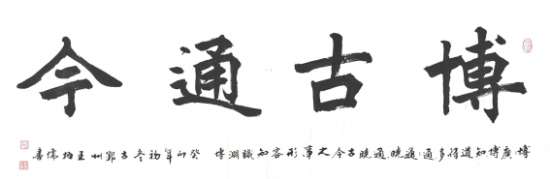
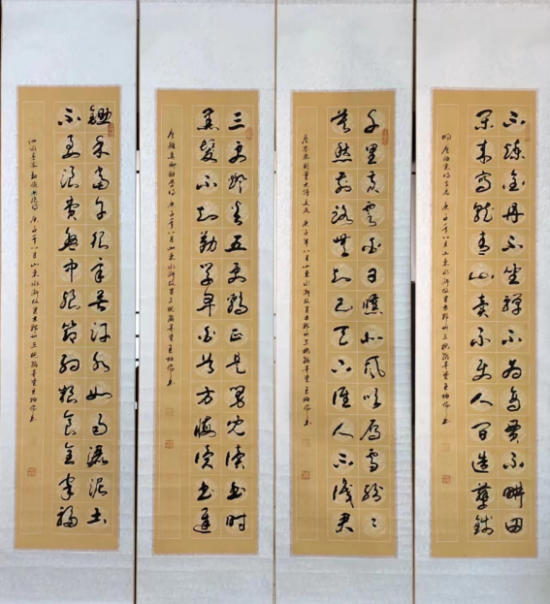
行草书:用笔大胆,气势雄伟,奇险有致,飞动流畅,流而无限蕴含着二王的韵致; 张旭、怀素的狂放,攻破了从古到今碑与贴难以融合之难题。篆书:庄严肃穆,古绝遒劲,深沉含蓄,朴茂华美,左顾右盼,瘦硬圆劲,笔含古意,具有浓郁的金石味道,已达到古朴典雅之境。对榜书、小楷颇为研究,大字可用拖把在地上步行书写,小字可为蝇头,现场挥毫,即书得成。他书与画之间,融会贯通,业己卓然成家,并获大成。正如柏儒先生所说的:“笔墨千秋趣,书画一脉通”,绘画方面,他主张山水画讲求意境,花鸟画讲求意趣,所以他的绘画主题突出,笔法坚挺,墨色变化丰富,表现出大自然的雄伟、幽静、清香、明朗的面貌。他的画入静求动,形神兼备,道法自然,画中用笔勾勒、墨色浓淡、干湿错落,虚实相济,笔路轻快、洒脱,达到“气韵生动”的艺术效果。
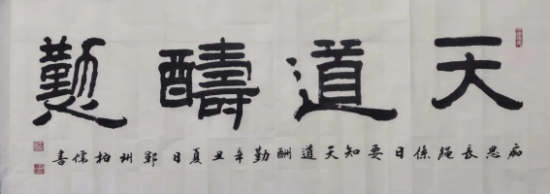
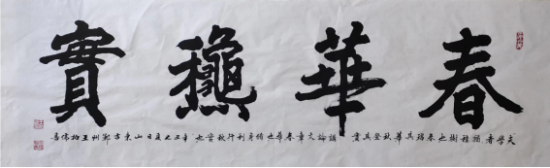
他的书画作品章法布局严谨,收放有度,内蕴大气,师古不泥,突破传统,创出了富有自己特有的艺术面貌。他的书画作品曾多次获全国性书画大赛金奖,被载入《中国著名书画家文集》、《书画大辞典》,曾赴日本、韩国、新加坡、台湾、港澳等国家和地区艺术交流及举办个人书画展,许多作品被国内及国际友人喜爱与珍藏。
Wang Bairu, (ID name: Wang Qingmin), the owner of the "Sanhuai
Hanmo Hall", was born in August 1957 in Yuncheng, the hometown of
Shuihu, Shandong. He is currently the Vice President of the "China Wang
Xizhi Research Institute", a member of the "China Calligraphers
Association", a Chinese artist with the titles of "National First Class
Artist", "Graduate Supervisor of Oxford Art College", and a member of
the "China Calligraphers and Painters Association", a "National Special
Calligrapher", a member of the "Shandong Calligraphers Association", a
visiting professor of the "Beijing Huaxia Kyoto Calligraphy and Painting
Art Research Institute", and a visiting professor of the "Central
Plains Calligraphy and Painting Academy".
Mr. Wang Bairu, born into a scholarly family, is a descendant of
the calligrapher Wang Xizhi of the Jin Dynasty. Having a natural talent
for calligraphy, having a passion for calligraphy since childhood,
persisting for nearly sixty years, inheriting tradition, and daring to
innovate. In terms of calligraphy: I studied under my calligraphy mentor
Mr. Wang Changshui and benefited from the guidance of Chinese
calligraphy masters Shen Peng, Ouyang Zhongshi, Liu Yi, and calligraphy
teachers. Learn from the essence of ancient steles and calligraphy, and
be proficient in all aspects of calligraphy. Kaishu: With the Wei stele
and Yan style, it is elegant and simple, yet not vulgar. It opens
rapidly and is super exquisite and captivating.
Li script: elegant and graceful, with strict laws and
regulations, dignified and elegant, strong and ancient, dignified and
profound. The seal script is full of ancient meaning, graceful and
graceful, beautiful and solemn, reflecting the legacy of Han Li
inscriptions such as "Cao Quan", "Shi Men Song", "Yi Ying Stele", and
"Shi Chen Stele".
Cursive script: bold in brushstrokes, majestic in momentum,
perilous and graceful in flight, flowing and infinite, containing the
charm of the two kings; Zhang Xu and Huai Su's recklessness overcame the
difficulty of integrating steles and stickers from ancient times to the
present. Seal script: solemn and dignified, ancient and powerful, deep
and subtle, simple and beautiful, looking left and right, thin, hard and
round, with ancient meaning in the pen, with a strong taste of gold and
stone, reaching a state of ancient simplicity and elegance. I have a
good understanding of ranking books and small regular script. Large
characters can be written on the ground with a mop, while small
characters can be used as flyheads. With a brush on the spot, the book
is completed. He integrated books and paintings, and achieved great
success in his career. As Mr. Bai Ru once said, "The strokes and ink
have a thousand autumn charm, and the calligraphy and painting are
interconnected." In terms of painting, he advocates that landscape
painting emphasizes artistic conception, while flower and bird painting
emphasizes artistic interest. Therefore, his painting themes are
prominent, his brushstrokes are firm, and the ink color changes are
rich, expressing the majestic, quiet, fragrant, and bright appearance of
nature. His paintings are both static and dynamic, with a balance of
form and spirit, and a natural way of painting. The strokes are outlined
with a brush, with rich and dark ink colors, and mixed with dry and wet
elements. The combination of virtual and real elements creates a lively
and free spirited brushstrokes, achieving an artistic effect of "vivid
charm".
His calligraphy and painting works have a rigorous structure and
layout, with a moderate range of content and grandeur. They learn from
the past without being stuck in mud, break through tradition, and create
their own unique artistic appearance. His calligraphy and painting
works have won gold medals in national calligraphy and painting
competitions multiple times, and have been included in the "Collection
of Famous Chinese Calligraphers and Painters" and "Dictionary of
Calligraphy and Painting". He has also visited countries and regions
such as Japan, South Korea, Singapore, Taiwan, Hong Kong and Macao for
art exchange and held personal calligraphy and painting exhibitions.
Many of his works are loved and cherished by domestic and international
friends.