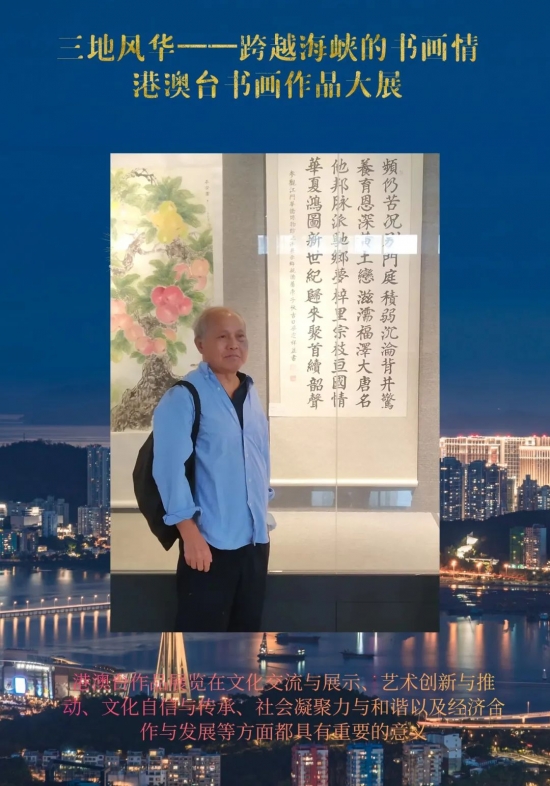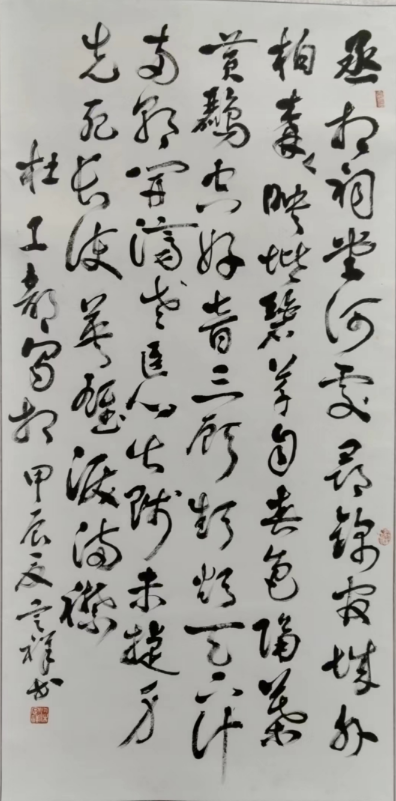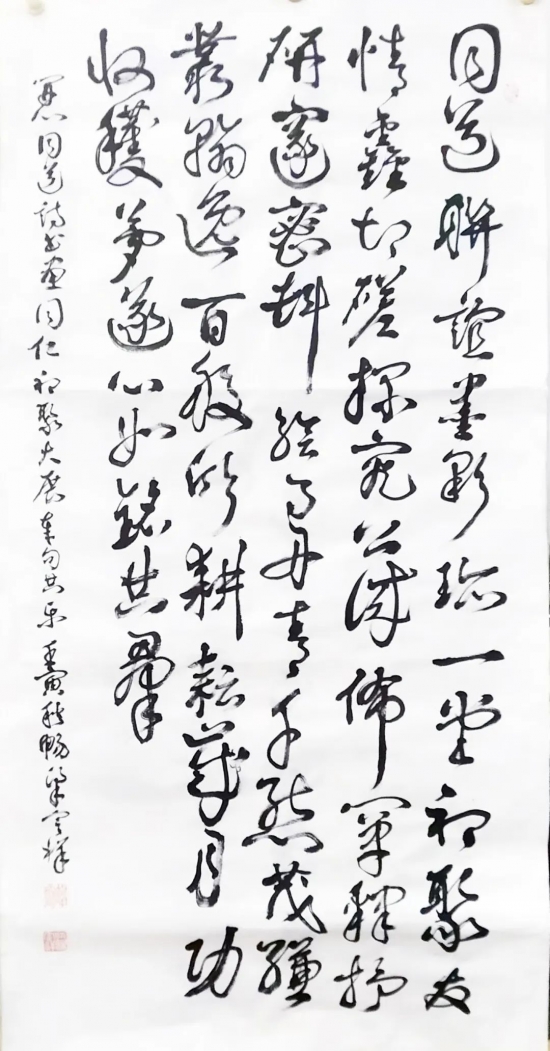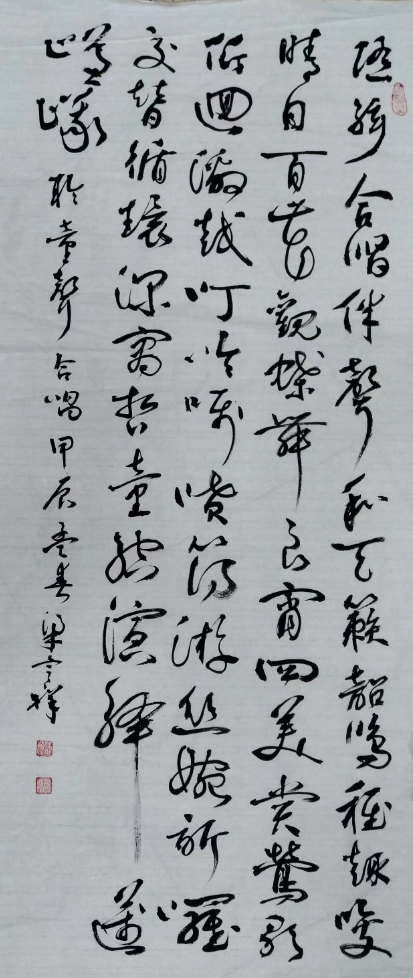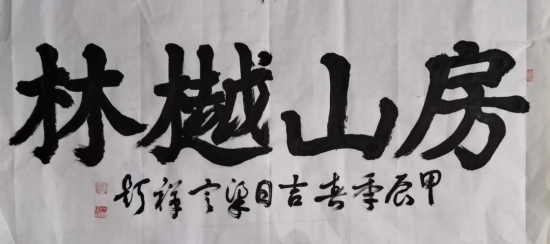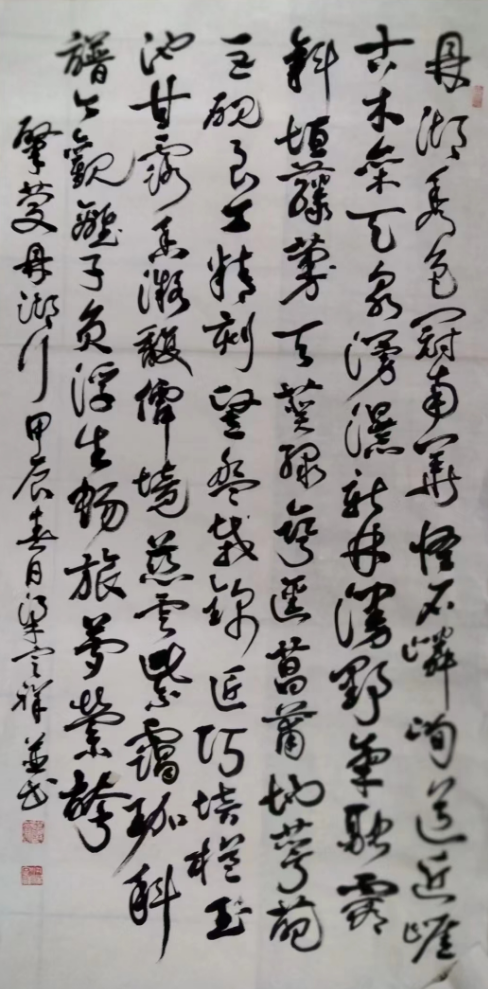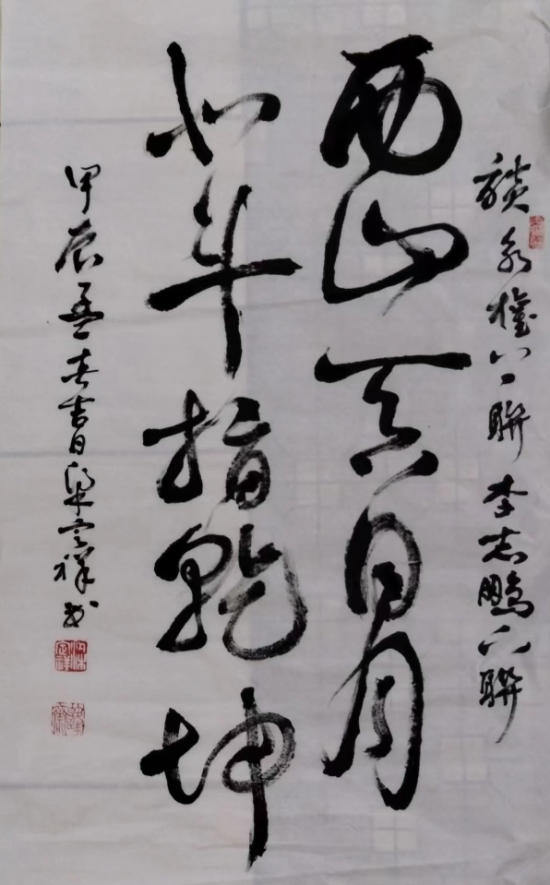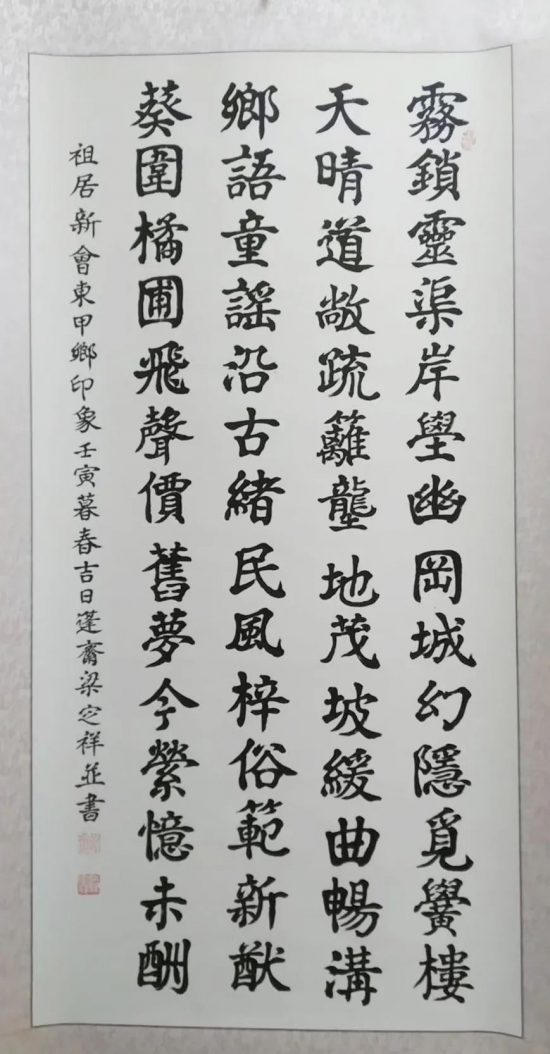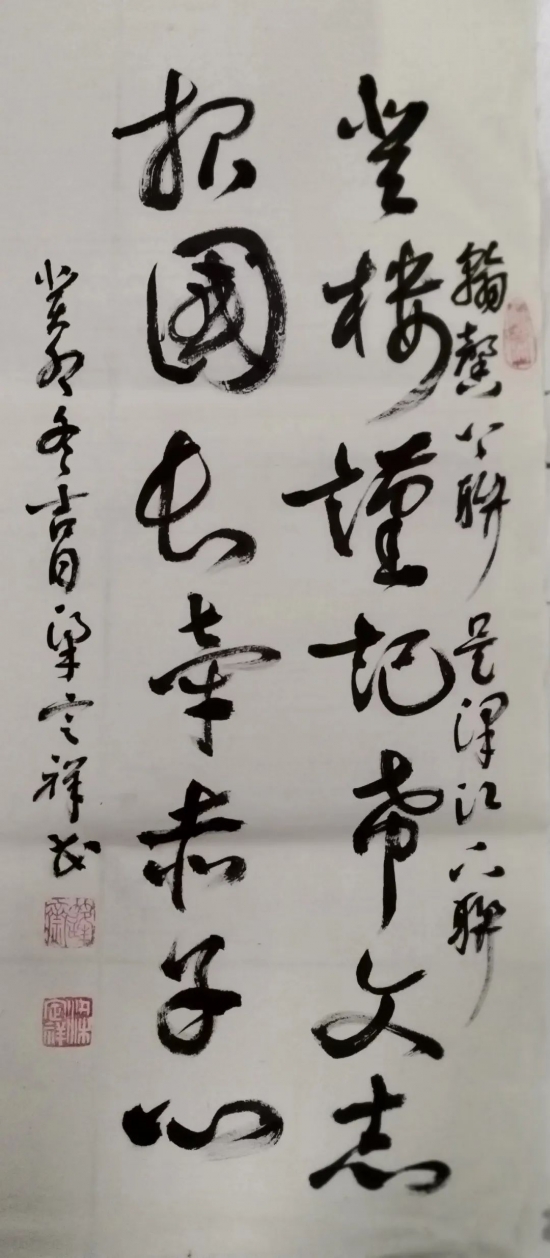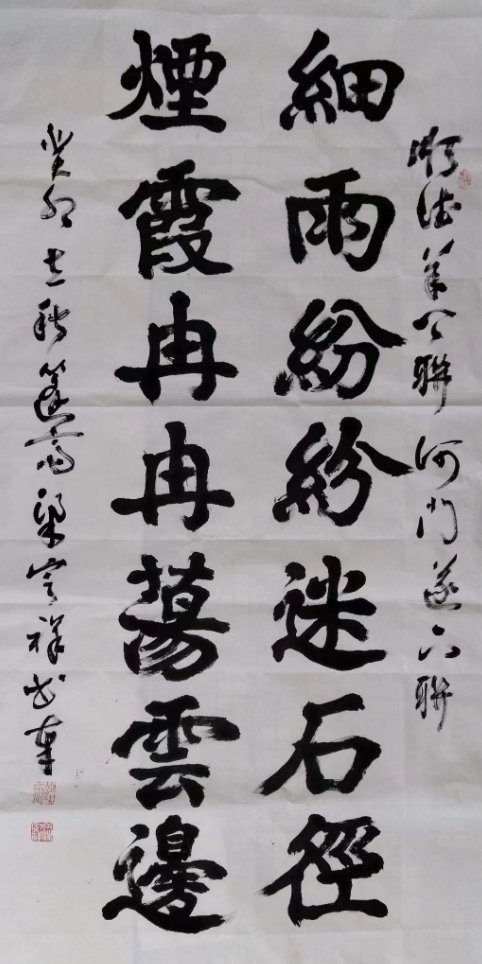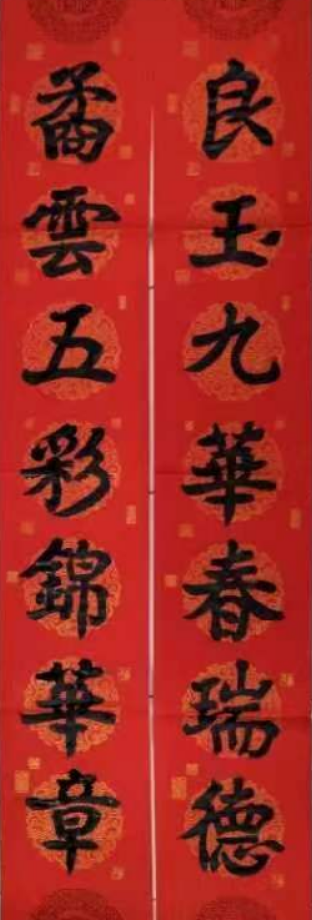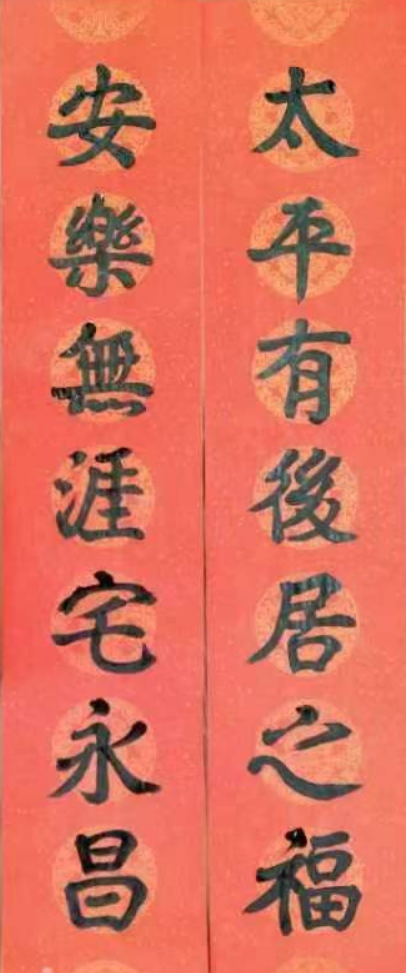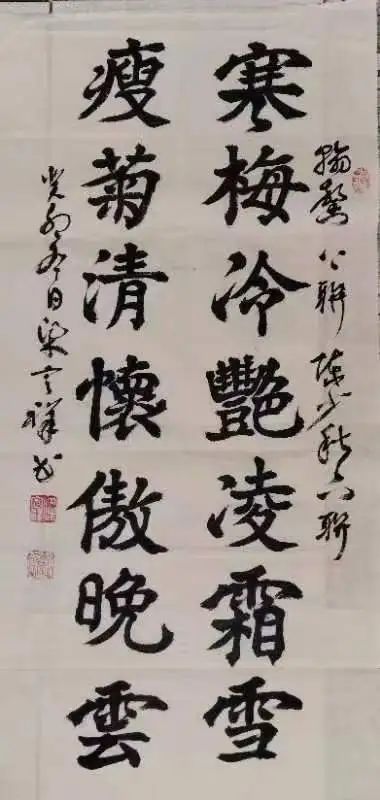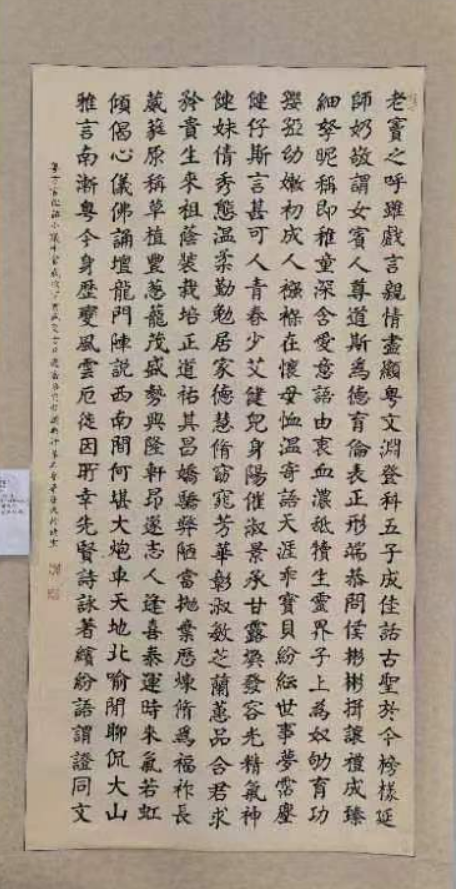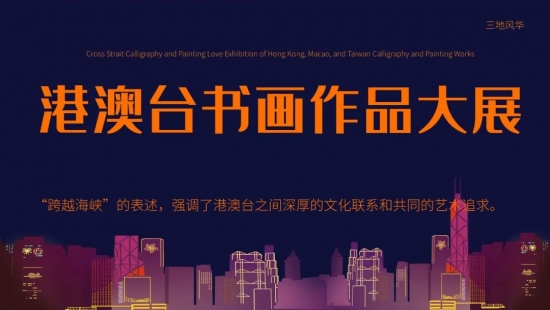
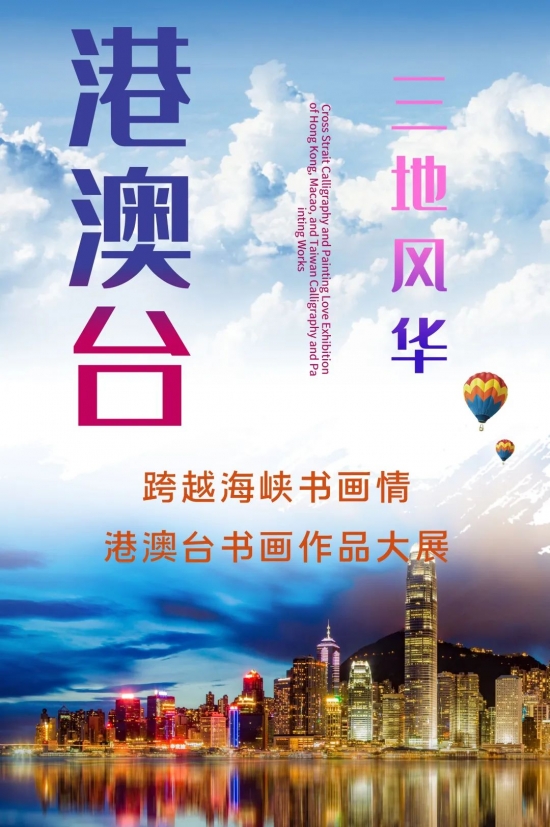
跨越海峡的书画情港澳台书画作品大展,对于推动港澳台地区书画艺术的发展具有重要意义。它不仅能够为书画家们提供一个展示和交流的平台,促进彼此之间的学习与借鉴,还能够增进三地之间的文化认同和友谊。同时,通过线上展览的举办,也能够让更多的人了解和欣赏到港澳台地区的书画艺术,推动中华文化的传承与发扬。 梁定祥自幼便在祖辈父辈及乡贤的熏陶下,开始认知并凭兴趣参与古诗文及书法的基础学习,这为他后来的书法研习奠定了传统文化的根基。青年时代的梁定祥处于特定的时期,上山下乡,务农务工,尽管生活多艰辛,他也不曾懈怠过对书法的研究,始终潜心向学,还热衷于在课余时间阅读临池,师古人,摹经典,受教于前辈学人,得益于现实勤劳实践,收益颇丰。于诗文书艺之道,梁定祥数十年如一日地坚持,将书法艺术融于自己的生活,成为生活当中不可或缺的部分。 梁定祥擅写长篇小楷书法创作,行文笔墨如流水般自在畅快。其所作之楷书笔意,存有几分隶书遗风,运笔圆润娟秀,舒朗整齐。长篇的书法作品最能体现一个人的笔墨功力,尤其是扇形及圆形纸材非常考验书者对整体书写创作的把握,非功力深厚者能驾驭。梁定祥的诸葛亮前后《出师表》、王勃之《滕王阁序》及屈原《离骚》作品,皆结字清朗率真,字形犹如鲤鱼跃龙门般,婉转跳跃。最难得的是通篇数百余甚至上千余楷字,皆一气呵成,且无一错处,实在是笔法高深。 且其对空间的处理游刃有余,布局疏密有间,运笔灵活多变,整齐雅观,使得整副书法作品趣味尤增。而窥其草书,浓墨枯笔搭配得宜,气势磅礴,笔力刚健顺畅,收放自如,独具个人特色。让观赏者透过其笔墨,亦能感受一番“过尽千帆”般的松弛淡然。 艺术源于生活,高于生活。梁定祥在对书法艺术不断地探索的过程中,将自身数十年的经历及人生体悟融于书法创作,使得作品更具思想性。他以书法艺术陶冶自身,更以艺术的力量滋养情操。在不同的时代,书法艺术被赋予了不同的精神内涵,但即使在不同的时代,书法艺术亦有未曾改变的一面:无论处于哪个时代,它都是人们所追求的一方精神领土,用于耕植生活的诗性。 (作者:陈林,广州国际艺术博览会策划总监,广东省收藏家协会书画专业委员会委员,《收藏鉴赏》杂志总编,《美术评鉴》杂志执行主编。) Liang
Dingxiang, under the influence of his ancestors and local elites since
childhood, began to recognize and participate in the basic learning of
ancient poetry, literature, and calligraphy based on his interests. This
laid the foundation of traditional culture for his later calligraphy
studies. During his youth, Liang Dingxiang was in a specific period,
going to the countryside and working in agriculture. Despite the
hardships of life, he never slacked off his research on calligraphy and
always devoted himself to learning. He was also enthusiastic about
reading Linchi in his spare time, learning from the ancients, copying
classics, and learning from his predecessors. Thanks to his diligent
practice in reality, he gained considerable benefits. Liang Dingxiang
has persisted in the art of poetry, prose, and calligraphy for decades,
integrating calligraphy into his life and becoming an indispensable part
of it. Liang
Dingxiang is skilled in writing long, regular script calligraphy, with
his writing style flowing freely and freely. The strokes of his regular
script have some traces of the legacy of clerical script, with smooth
and graceful strokes, and neat and neat strokes. Long calligraphy works
best reflect a person's brushwork skills, especially the fan-shaped and
circular paper materials, which greatly test the calligrapher's grasp of
the overall writing creation. Those who are not skilled can master it.
Liang Dingxiang's works, including Zhuge Liang's "Departure from the
School", Wang Bozhi's "Preface to the Tengwang Pavilion", and Qu Yuan's
"Li Sao", all have clear and sincere characters, with the shape
resembling a carp leaping over a dragon gate, graceful and jumping. The
most rare thing is that the entire text is composed of hundreds or even
thousands of regular script characters, all in one go without any
mistakes, which is truly profound in brushwork. And
its handling of space is effortless, with a well arranged and dense
layout, flexible and varied brushstrokes, neat and elegant, making the
entire calligraphy work particularly interesting. And peering at its
cursive script, the combination of thick ink and dry brush is
appropriate, with a majestic momentum, strong and smooth brushstrokes,
flexible and unique personal characteristics. Through its brushstrokes,
viewers can also feel a relaxed and indifferent feeling like crossing a
thousand sails. Art
originates from life and is higher than life. In the process of
constantly exploring calligraphy art, Liang Dingxiang integrated his
decades of experience and life insights into calligraphy creation,
making his works more ideological. He cultivates himself with the art of
calligraphy and nourishes his character with the power of art. In
different eras, calligraphy art has been endowed with different
spiritual connotations, but even in different eras, calligraphy art has
an unchanging side: no matter which era it is in, it is a spiritual
territory that people pursue, used to cultivate the poetic nature of
life. (Author:
Chen Lin, Planning Director of Guangzhou International Art Expo, Member
of the Calligraphy and Painting Professional Committee of Guangdong
Collectors Association, Editor in Chief of Collection Appreciation
Magazine, and Executive Editor in Chief of Art Appreciation Magazine.)